
منذ عام 2006
مرحبًا بكم في CHINA SINOTRUCK(HK) LIMITED!










Under the Curtain: Daily Notes from a Curtain-Side Driver
One-line summary: A curtain-side isn't low-effort, but it loads fast and runs light. Ten extra minutes a day saves a lot of trouble on the road.
I've been driving curtain-siders for three years. What started as a mess is slowly becoming a rhythm. I chose a curtain-side for fast loading, light weight, and flexibility with both LTL and full loads. But once I started running it, I realized it needs more daily attention than a box truck. This isn't about big theories—just the things I deal with every day, for anyone just getting started.
🚛 Before Departure: Check the Curtain and Tracks
Most people just glance at the tires and go. Not with a curtain-side. The curtain and tracks need a daily look because the early warning signs are subtle. By the time you notice on the road, it's often too late.
Focus on three things:
Debris in the rail
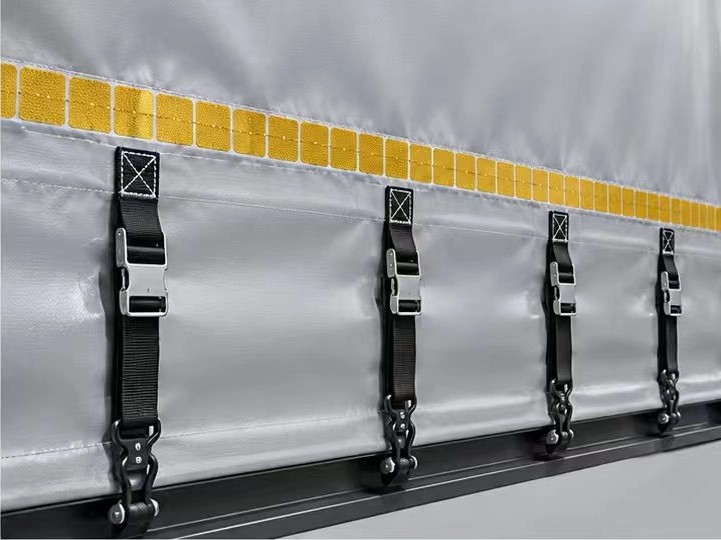
Whether the lower buckles spring back when pressed
Whether the ratchet strap is maxed out while the curtain still feels loose
Also run your hand along the curtain for cuts or bulges, and check that the roof drain holes aren't blocked. Fix small issues on the spot.
💡 Tip: Keep a can of silicone spray in the cab. One spray on a sticky track makes the curtain glide and saves the rollers.
📦 When Loading: The Curtain Doesn't Bear Load
The curtain keeps out rain and dust, but it doesn't hold cargo. Securing depends entirely on internal lashing and floor anchors. This is what beginners miss most.
Put heavy cargo toward the front and lower middle, light items on the outside. Leave five to ten centimeters between cargo and curtain—don't load right against it. A slight shift in transit will push the curtain into a bulge. For palletized goods, use straps in an X pattern on each row. For loose cargo, brace it with wooden beams or air bags.
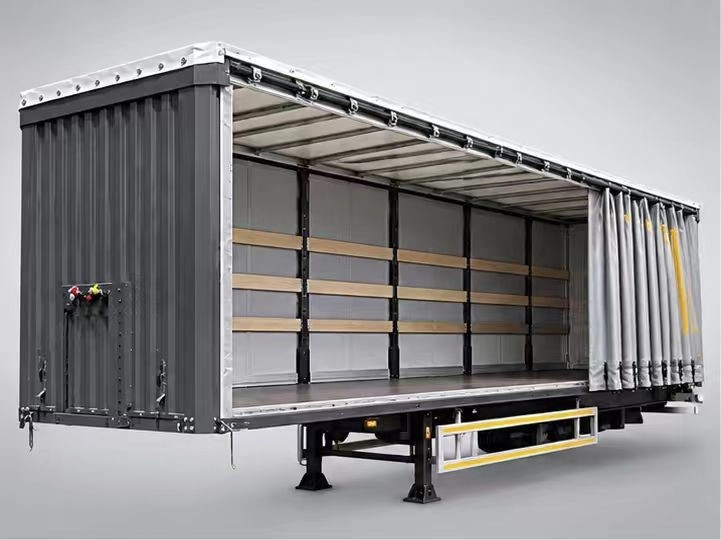
⚠️ Note: Before closing, walk to the other side and check for anything sticking out. Pallet corners and pipe ends are curtain killers.
🪢 Pulling and Closing the Curtain: Order Matters
Pulling the curtain looks simple, but I've seen plenty of people damage it just by doing it in the wrong order.
Push from front to rear so the curtain unfolds naturally in the track. Don't pull it diagonally. Once in place, secure the rear vertical bar first, then fasten the lower buckles, and finally tighten the ratchet strap. Reverse the process to close.
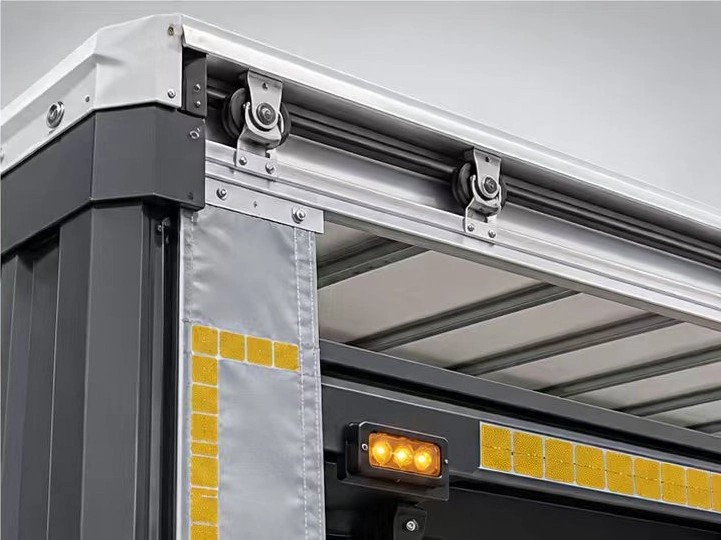
📌 Remember: If it feels resistant, stop and check the track. Forcing it usually means broken rollers—replacing rollers is much cheaper than replacing the curtain.
🧼 Curtain Care: Three Parts Use, Seven Parts Maintenance
From the same batch of trucks, one owner gets five years and it still looks new, while another has cracks everywhere in two years. The difference is daily treatment.
For cleaning:
✅ Mild detergent + soft brush
❌ Pressure washer up close
❌ Strong acids or alkalis
Check the four corners and lower edge regularly. Repair open seams immediately. In winter, PVC gets brittle—let the truck run a bit before folding. Dry the curtain before parking up to prevent mildew. If mildew appears, wipe it gently with diluted bleach and rinse. Every few months, apply a protective coating to slow aging.
🛣️ On the Road and After Parking Up
A rhythmic flapping sound usually means a lower buckle has come open. Pull over safely and check. If the curtain bulges in the mirror, cargo has shifted or the curtain is too loose. Don't keep driving.
🌧️ Rain reminder: At highway speed, check the seams for leaks before departure—a curtain-side can seep water if the seal isn't tight.
🌬️ Crosswind reminder: The large side area makes the truck wander. Grip the wheel and slow down a bit.
When empty, tighten the ratchet strap one extra notch. After parking up, spend five minutes noting small issues in your phone. Deal with them on the weekend. Once a week, check the rollers, buckles, and ratchet strap for wear.
A curtain-side isn't low-effort, but it loads fast and runs light. Treat it well, and it causes fewer problems.
المنشورات ذات الصلة
اتصل بنا

تأسست شركة CHINA SINOTRUCK(HK) LIMITED Trailer عام 2006، وتوفر أنواعًا مختلفة من المنتجات وتقدم الدعم والخدمات الفنية ذات الصلة للعملاء الأجانب.
تواصل معنا
*نحن نحترم سرية معلوماتك، وجميع المعلومات محمية.